the High Atlas: Toubkal, Lake Ifni, Amsouzart Valley & Tifnout Oasis
Table of Contents
- Why the High Atlas Mountains Belong on Your Morocco Itinerary
- Mount Toubkal: The Roof of North Africa
- Lake Ifni: A Glacial Jewel in the Toubkal Massif
- Amsouzart Valley: Walnut Groves and Quiet Trails
- Tifnout Oasis: Where the Atlas Meets the Desert
- Berber Villages and Culture of the High Atlas
- Best Time to Visit and Trip Planning Tips
- Frequently Asked Questions
Discover the High Atlas Mountains of Morocco: Toubkal, Lake Ifni, Amsouzart Valley and Tifnout Oasis
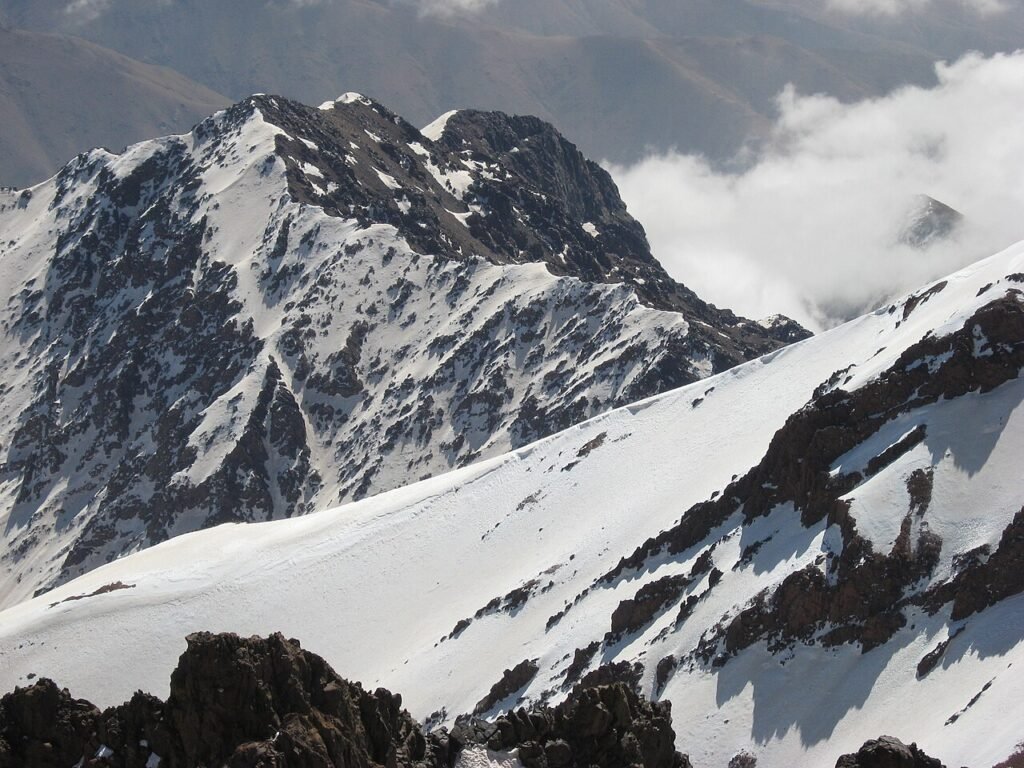
The Toubkal Mountain Massif; Only a short drive from Marrakech, the skyline changes. Red-earth villages cling to terraced slopes, snow-capped peaks rise above 4,000 meters, and the call to prayer echoes across valleys that have barely changed in centuries. The High Atlas is the soul of Morocco, and for travelers who want landscapes, culture and genuine human connection, it is unmatched.
This guide takes you through four unforgettable destinations: Mount Toubkal, Lake Ifni, the Amsouzart Valley and the Tifnout Oasis. Along the way, you will meet the Amazigh (Berber) families who have called these mountains home for generations.
Mount-toubkal Mount Toubkal: The Roof of North Africa
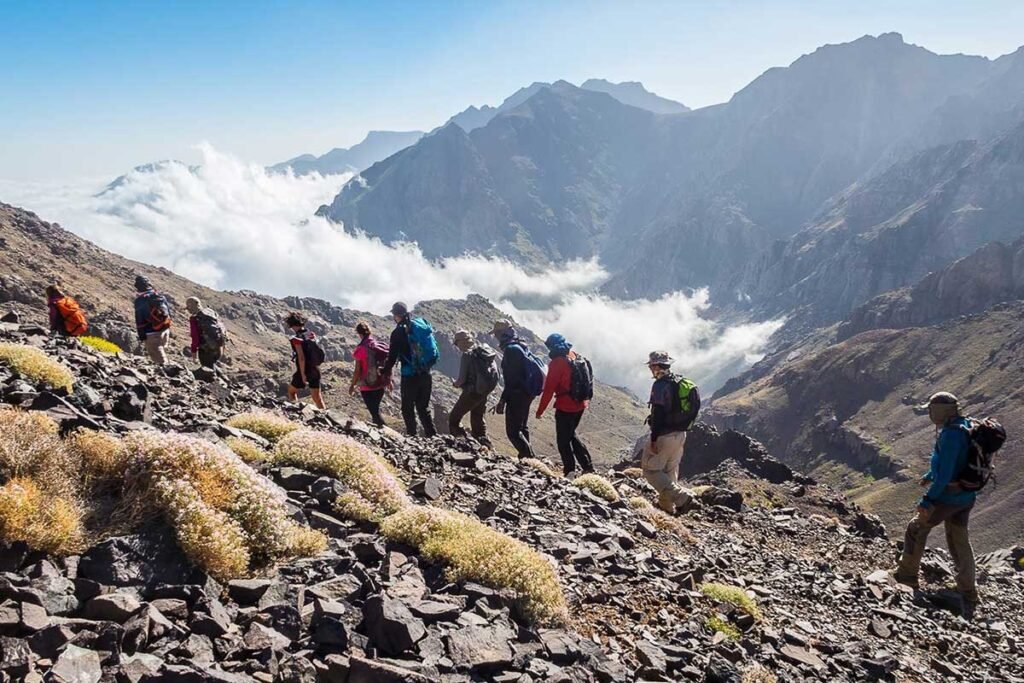
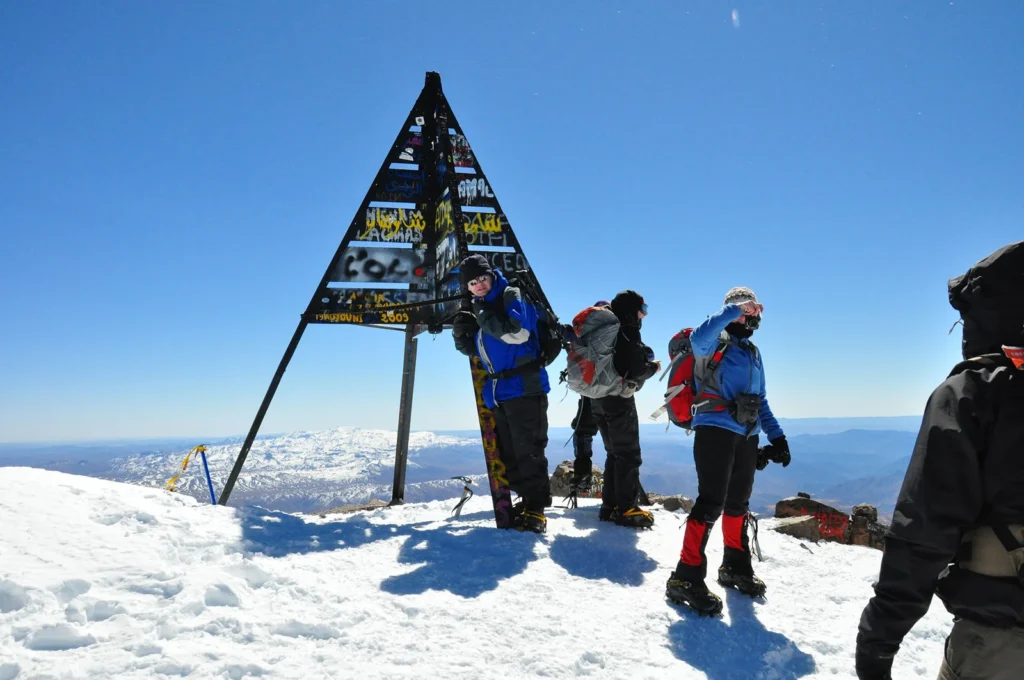
At 4,167 meters, Toubkal is the highest peak in North Africa and the crown of Toubkal National Park. The trek begins in the village of Imlil, about 90 minutes from Marrakech, and follows a well-worn mule path through walnut orchards and rocky gorges.
The Classic Ascent Route
Most travelers take two days. Day one climbs from Imlil plus 5 Days from Amsouzart (1,740 m) through Aroumd to the Toubkal Refuge at 3,207 meters, roughly four to six hours of steady walking. Day two starts before dawn, with the summit reached in three to four hours. From the top, on a clear morning, views stretch across the Anti-Atlas and, on exceptional days, toward the Sahara.
Is Toubkal Difficult?
In summer, Toubkal is a non-technical trek. No ropes or climbing gear are needed, but the altitude and loose scree make fitness and pacing important. A licensed local guide and mule support make the experience safer and far more rewarding.
Winter Note
From December to March, snow and ice call for crampons and an ice axe. Only experienced trekkers with a certified mountain guide should attempt it.
Lake Ifni: A Glacial Jewel in the Toubkal Massif

Set at roughly 2,300 meters, Lake Ifni is a deep blue glacial lake surrounded by bare rock and quiet silence. It sits on the southern side of the Toubkal massif and is one of the most photogenic spots in the entire High Atlas.
Trekking to Lake Ifni
The trail usually starts from the village of Imlil or via the Tizi n’Ouanoums pass, a high crossing at about 3,664 meters with spectacular panoramas. Many travelers combine Lake Ifni with a Toubkal climb in a three- to four-day circuit, sleeping in refuges or village guesthouses.
Best Moments at the Lake
Arrive in the morning, when the water is calm and mirrors the surrounding peaks. Pack a picnic, since there is no village at the shore, and take time to simply sit. For many trekkers, this is the quiet highlight of the journey.
Amsouzart Valley: Walnut Groves and Quiet Trails
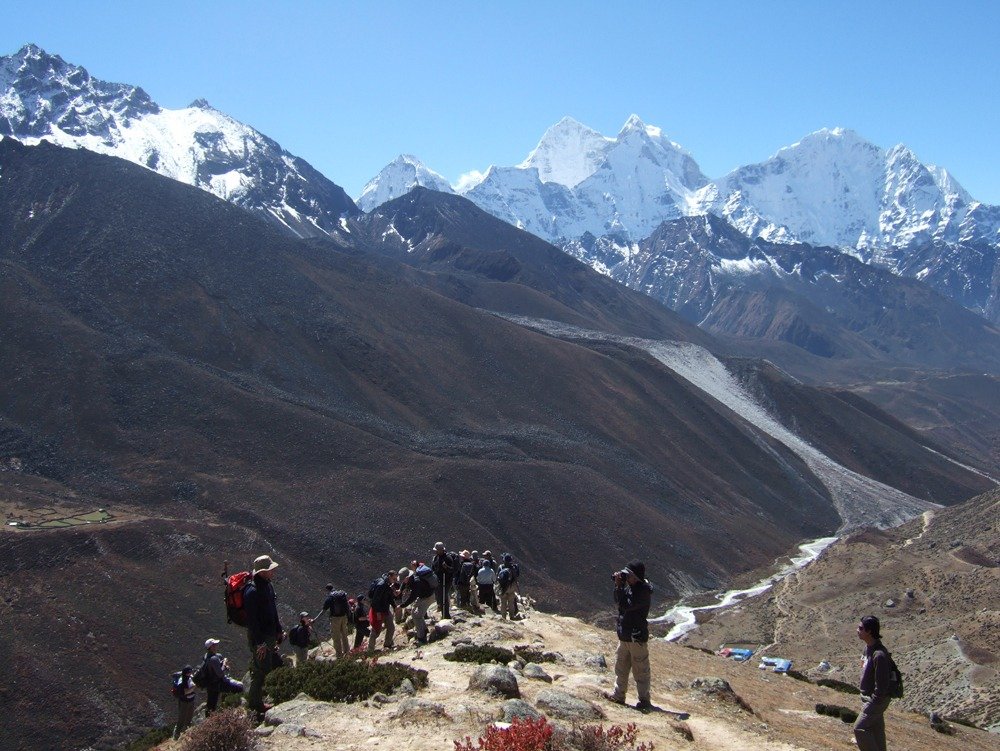
South of Marrakech, the Amsouzart Valley (also spelled Amssouzart) is one of the High Atlas’s best-kept secrets. Far from the busier Imlil route, it offers peaceful walking trails, terraced barley fields and traditional Amazigh villages where life moves with the seasons.
What You Will Experience
- Easy to moderate walks suitable for families and seniors
- Orchards of walnut, almond and apple trees
- Mud-brick houses and village gathering spaces
- Warm invitations to mint tea in a family home
Why Choose Amsouzart
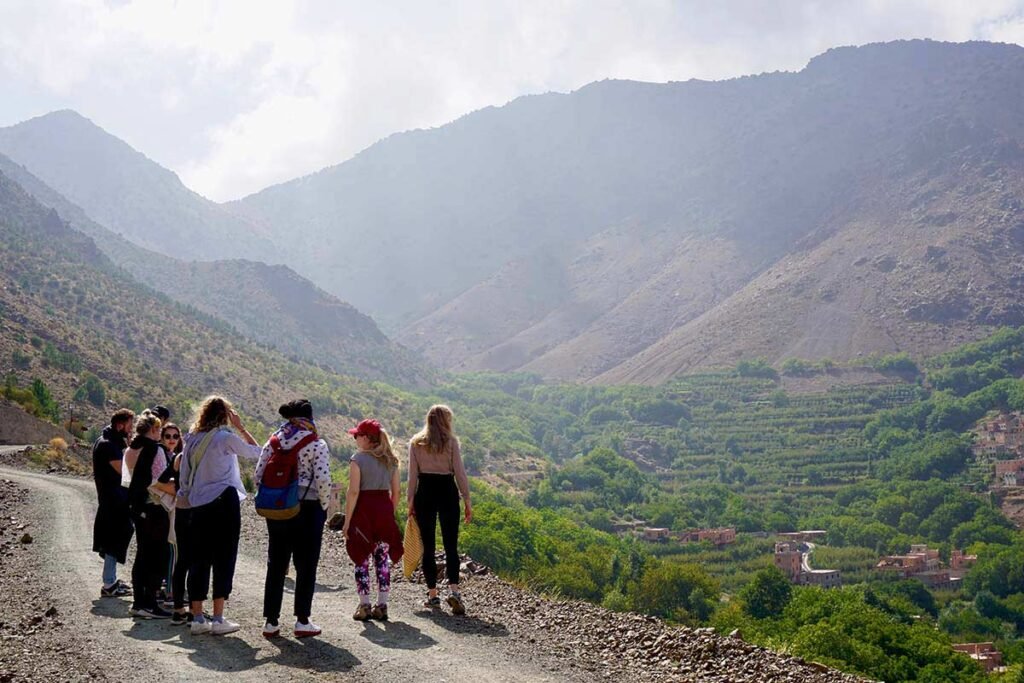
If you want mountain scenery without crowds, this valley is ideal. It also pairs naturally with a visit to the Ourika or Imlil regions, giving travelers a gentle introduction to Atlas culture.
Tifnout Oasis: Where the Atlas Meets the Desert
Further south, in the Taliouine region, the Tifnout Oasis shows a different face of the mountains. Palm trees, red cliffs and narrow canyons create a dramatic contrast with the snowy summits farther north. The oasis is surrounded by traditional kasbahs and small villages that still depend on agriculture and shepherding.
Landscapes to Photograph
Look for the golden light on the cliffs at sunset, the green belt of palms along the riverbed, and the old stone paths linking villages. Photographers consistently describe this area as a hidden treasure of southern Morocco.
Local Life in the Oasis
Families here farm date palms, barley and, in the nearby Taliouine region, the famous saffron crocus. A visit often includes a village walk and a meal prepared with local ingredients.
Berber Villages and Culture of the High Atlas
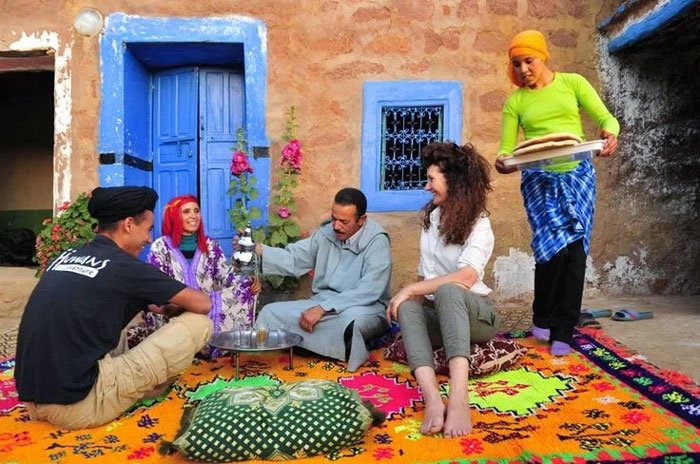
The Amazigh people have lived in these mountains for thousands of years, and their culture is the heart of any High Atlas journey.
Hospitality and Traditions
Hospitality is a way of life. Expect to be welcomed with sweet mint tea, fresh bread and warm conversation. Tajine cooked slowly over charcoal, argan oil, honey and local olive oil are staples at the table.
Architecture and Craft
Houses are built from stone and rammed earth, blending into the hillside. Women’s cooperatives produce handwoven carpets, pottery and natural cosmetics, and buying from them directly supports the village economy.
Respectful Travel
Dress modestly, ask before photographing people, and learn a few words of Tamazight such as azul (hello) and tanmirt (thank you). These small gestures are deeply appreciated.
Best Time to Visit and Trip Planning Tips
Seasons
- Spring (April to June): green valleys, blossoms, comfortable temperatures
- Autumn (September to November): clear skies and golden light
- Summer (July to August): best for the high summit, hot at lower altitudes
- Winter (December to March): snow trekking for experienced groups
What to Pack
Layered clothing, sturdy hiking boots, sun protection, a warm jacket for refuge nights, a reusable water bottle and a small first-aid kit.
Travel with a Local Expert
A private guided tour makes the logistics simple: transport from Marrakech, a certified mountain guide, accommodation in refuges or village guesthouses, and meals with local families. It is especially valuable for couples, seniors and families who want comfort and safety without sacrificing authenticity.
Frequently Asked Questions
How far is Toubkal from Marrakech?
Imlil, the starting point, is about 90 minutes by road.
Can beginners climb Toubkal?
Yes, in summer, with good fitness and a guide. The route is non-technical but demanding because of the altitude.
How long is the Lake Ifni trek?
Allow one full day from Imlil, or combine it into a three- to four-day Toubkal circuit.
Is the High Atlas suitable for seniors and families?
Absolutely. Valleys like Amsouzart offer gentle walks with cultural stops, and itineraries can be adapted to any pace.
Ready to Explore the High Atlas?
Let a local team with over 12 years of experience design your private journey through Toubkal, Lake Ifni, Amsouzart and . Contact us to build a tailored itinerary with comfortable stays and authentic Berber hospitality.