How Moroccan Families Live in the Atlas Mountains: Hospitality, Tradition and Warm Community
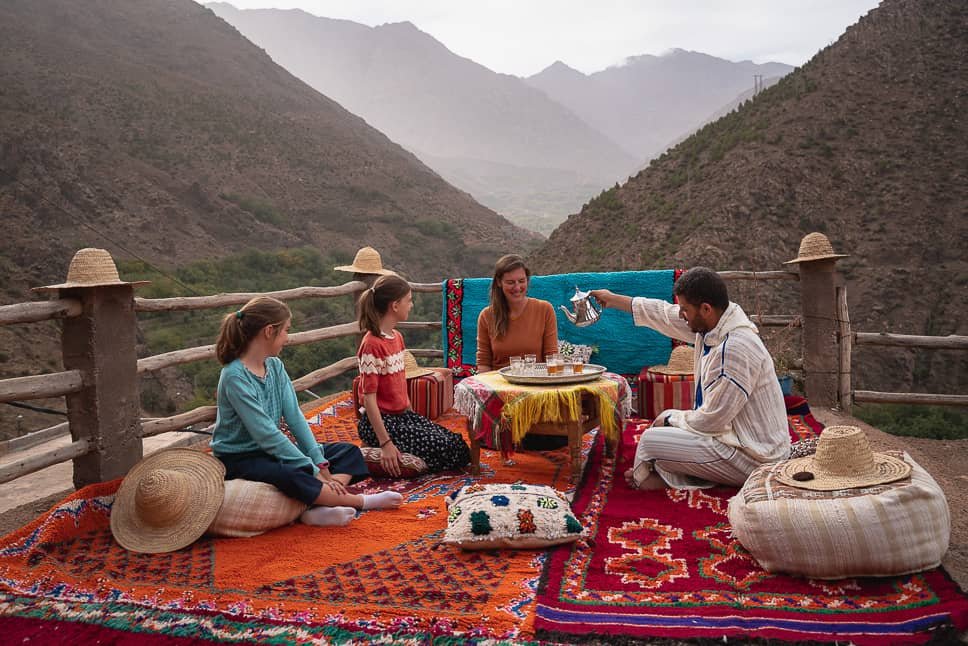
How Moroccan Families Live in the Atlas; In the High Mountain Toubkal, life moves with the seasons. Terraced fields climb the hillsides, smoke rises from clay-roofed homes, and children walk to school along paths older than the villages themselves. For travelers, meeting a mountain family is often the most memorable part of Morocco, because hospitality here is a way of life.
Table of Contents
- Life in the Atlas: A Warm and Welcoming World
- The Mountain Home
- A Day in the Life of a Mountain Family
- Food from the Land
- Community, Language and Celebration
- Modern Life in the Mountains
- Visiting a Family: Homestays and Respectful Travel
- FAQ’s
Life in the Atlas: A Warm and Welcoming World
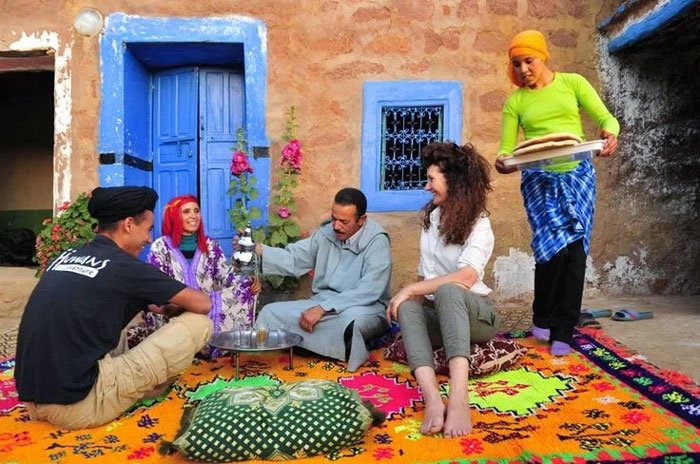
Most mountain families are Amazigh (Berber), and Tamazight is the language of the home. Several generations often live together, so grandparents, parents and children share daily work, meals and stories. Family and neighbors are the center of village life.
What Makes It Special
- Strong family bonds and respect for elders
- A culture where guests are honored
- A close relationship with land, water and animals
The Mountain Home
Houses are built from stone, rammed earth and wood, materials that keep rooms cool in summer and warm in winter. Flat roofs are used for drying fruit, grain and laundry and for evening conversation.
Inside the House and Nomad Familys
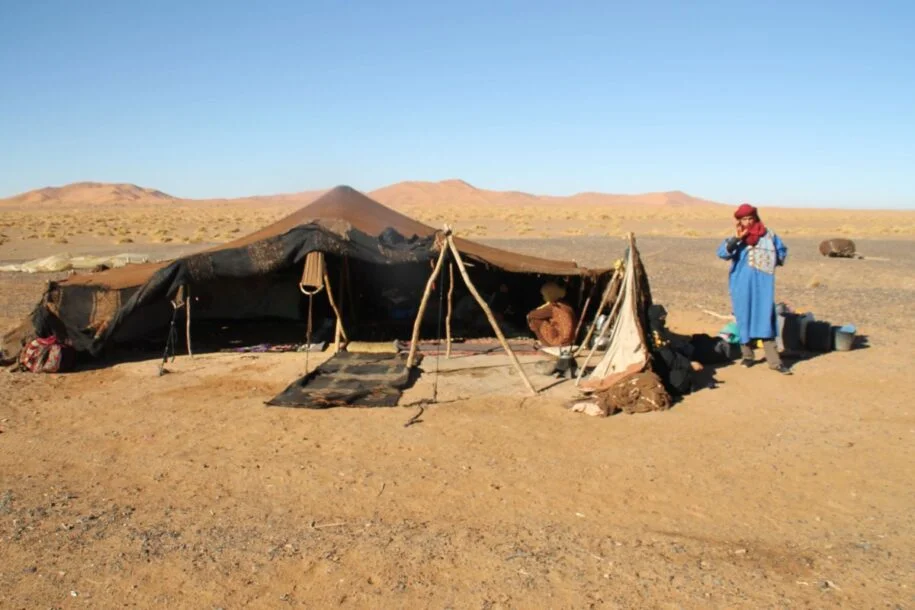
A central room with low seating, thick wool carpets and a stove or hearth is where the family gathers. Rooms are decorated with woven blankets and brass trays, and a tea set is always ready.
Shared Spaces
Many villages share a communal oven, a spring and an irrigation channel. In some places, old granaries called agadirs still show how communities stored harvests together.
A Day in the Life of a Mountain Family
Morning
Days begin early with fresh bread, olive oil, honey and sweet mint tea. Children go to school, and adults head to fields, orchards or livestock.
Daytime
Families grow barley, walnuts, apples, almonds and vegetables on terraces watered by a network of channels. Many keep sheep, goats and a cow, and some herd animals up to higher pastures in summer.
Evening
Families come together for a hot meal, often a tajine or couscous, shared from one dish. Tea follows, and the roof or courtyard fills with conversation.
Food from the Land
Mountain cooking is simple and delicious: seasonal vegetables, home-baked bread, olives, eggs, honey, walnut and almond sweets, and slow-cooked stews. Much of the food comes straight from the family’s own garden.
Community, Language and Celebration
Villages make decisions together, and neighbors help one another with harvests, building and weddings. Celebrations bring music, dance and shared meals. In many regions, Amazigh circle dances such as ahidous and ahwash mark weddings and festivals. Tamazight has been an official language of Morocco since 2011, and Amazigh culture is celebrated with growing pride.
Modern Life in the Mountains
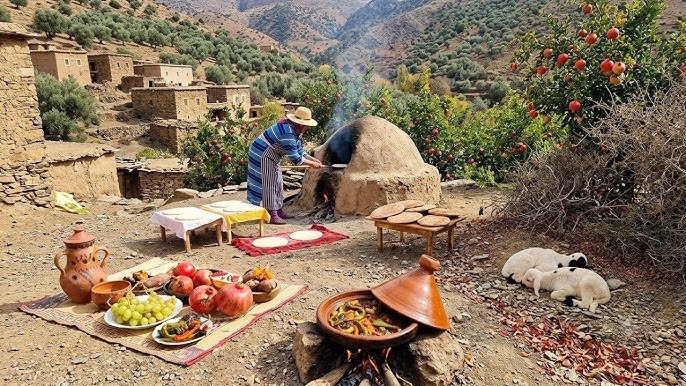
Mountain life today blends tradition with new opportunities. Roads, schools, mobile phones and solar power have reached many villages, and young people study in cities while keeping close ties to home. Women’s cooperatives, guesthouses and trekking tourism give families new ways to earn income while keeping their traditions alive.
Visiting a Family: Homestays and Respectful Travel

A homestay or village visit lets you share tea, bread and conversation. To make the visit a pleasure for everyone:
How to Visit the Berbers Houses Fmailys, Take a Private Day Trip From Marrakech
or plus 4 Days Morocco Tours to experience anoud with History Morocco Tours itinerary
4-5 Days Nomad Familys on way to Sahara Desert
and Grand Morocco Vacation from Casablanca,Tangier
- Dress modestly and remove shoes when entering the house
- Accept tea as a sign of friendship
- Ask before taking photographs of people
- Choose locally owned guesthouses and buy from cooperatives
- Travel with a local guide who knows the family and the village
FAQ
Is it safe and comfortable to stay with a mountain family?
Yes. Homestays are common, and a guide can arrange comfortable rooms and meals.
What language do mountain families speak?
Tamazight at home, with Arabic and often French or some English.
What is the best season to visit?
Spring and autumn offer pleasant weather, with green valleys in spring and harvest in autumn.
Call to Action: Meet a mountain family with History Morocco Tours. We arrange village visits, homestays and treks with local hosts in the High Atlas.