History of Morocco
history of Morocco was originally part of the Iberomaurusian culture, including settlements like Taforalt. Its history spans from the rise of Mauretania and ancient Berber kingdoms to Roman influence and the establishment of the Moroccan state by the Idrisid dynasty.
A major turning point came with the Almoravids, a Berber reformist dynasty that ruled a vast empire stretching from Senegal to central Spain. Using Marrakesh as their capital, they laid the foundations of Moroccan Islamic governance and urban planning. Successive Islamic dynasties, followed by the colonial period and independence in 1956, shaped modern Morocco.
About Morocco
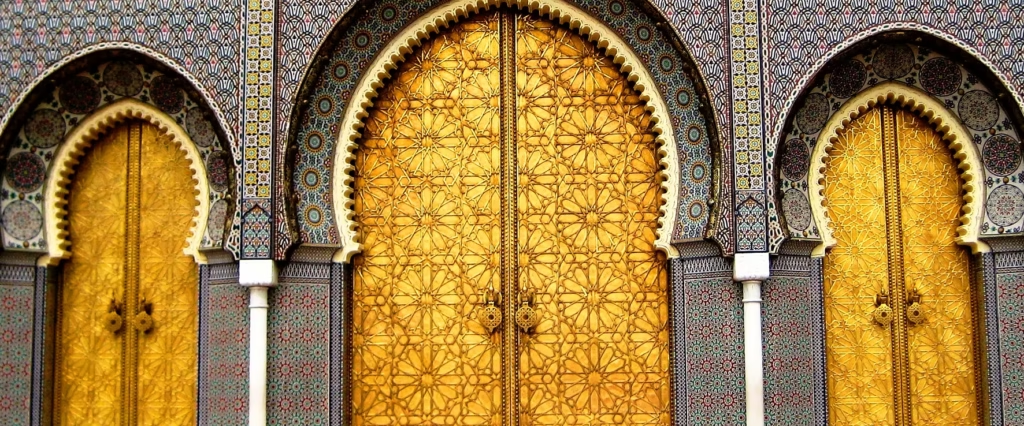
Morocco evolved from early Iberomaurusian settlements such as Taforalt into a land of powerful Berber kingdoms and Islamic states. The arrival of Islam and the Idrisid dynasty marked the birth of the Moroccan state.
The Almoravids later unified much of North Africa and Al-Andalus, establishing Marrakesh as a political and religious center. Through centuries of dynastic rule, colonial experience, and independence, Morocco developed a unique identity blending African, Arab, Amazigh, and Mediterranean influences.
Marrakech
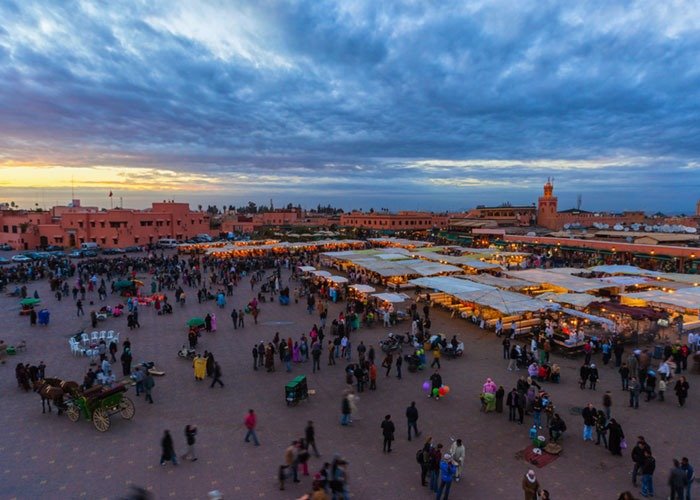
Morocco’s historical evolution reached a peak in Marrakech. Founded in the 11th century by the Almoravids, the city became the capital of an empire extending from West Africa to Spain. The Almoravids built Marrakech’s first major structures, including:
- Mosques
- City walls
- The Ksar al-Hajjar (near today’s Koutoubia Mosque)
Their urban planning shaped the medina’s layout, influencing the city’s organization for centuries. Marrakech later flourished under other dynasties and remains a symbol of Morocco’s imperial past.
Fez
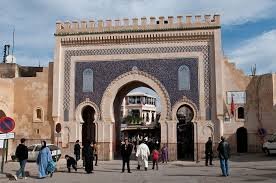
Fez emerged as a center of Islamic learning following ancient Berber settlements and Roman presence. Founded by the Idrisid dynasty in the 8th century, Fez became Morocco’s spiritual capital.
Although not an Almoravid capital, the Almoravids strengthened Fez’s religious institutions and infrastructure, integrating it into their vast empire. Through Marinid rule, colonial times, and independence, Fez preserved its role as the heart of Moroccan tradition and scholarship.
Meknes
Meknes developed from early Berber roots into a significant Islamic city. During the Almoravid period, Meknes gained strategic importance as part of their trans-Maghreb empire.
Its true golden age came later under the Alaouite dynasty when it became an imperial capital. From dynastic grandeur through the colonial period and into independence, Meknes reflects Morocco’s layered historical legacy.
Tangier
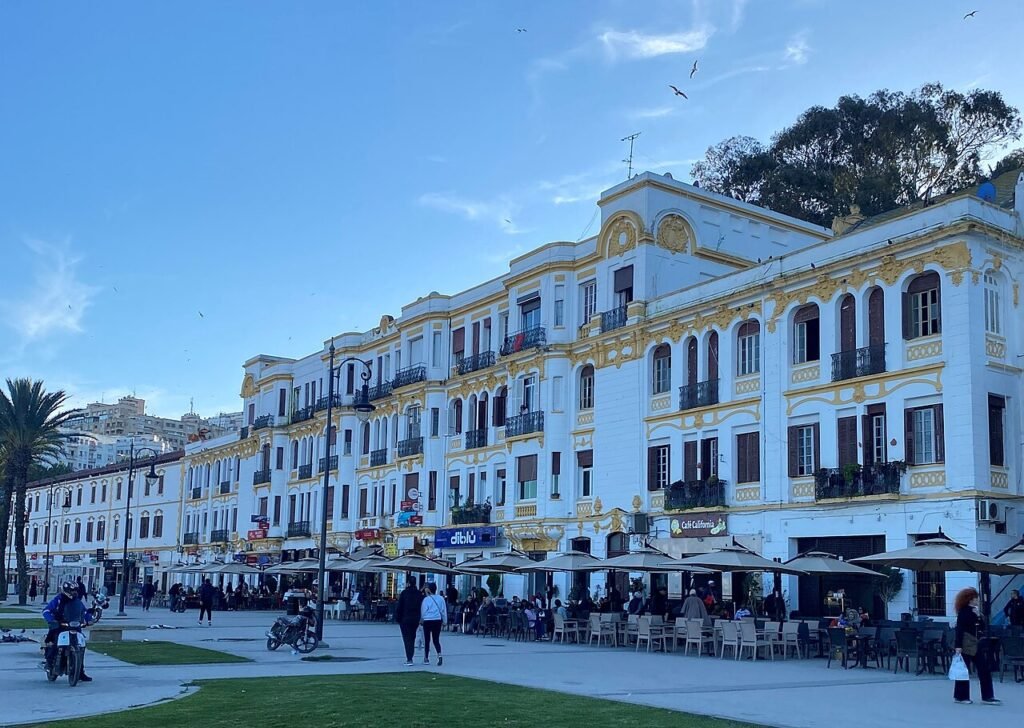
Tangier’s history reflects Morocco’s role as a bridge between Africa and Europe. Known since Mauretanian and Roman times, Tangier later became part of the Almoravid and subsequent Islamic empires.
While never a capital, its strategic location made it vital for controlling access to Al-Andalus. Its international status during the colonial era and integration into independent Morocco shaped its cosmopolitan character.
Essaouira
Essaouira’s history grew from ancient Berber settlements and Atlantic trade networks. Though its modern form dates to the 18th century, the region was influenced by Almoravid control over Atlantic routes connecting Morocco to sub-Saharan Africa.
These early foundations helped establish Essaouira as a key port. After colonial trade expansion and independence, the city became a cultural and artistic hub.
Volubilis
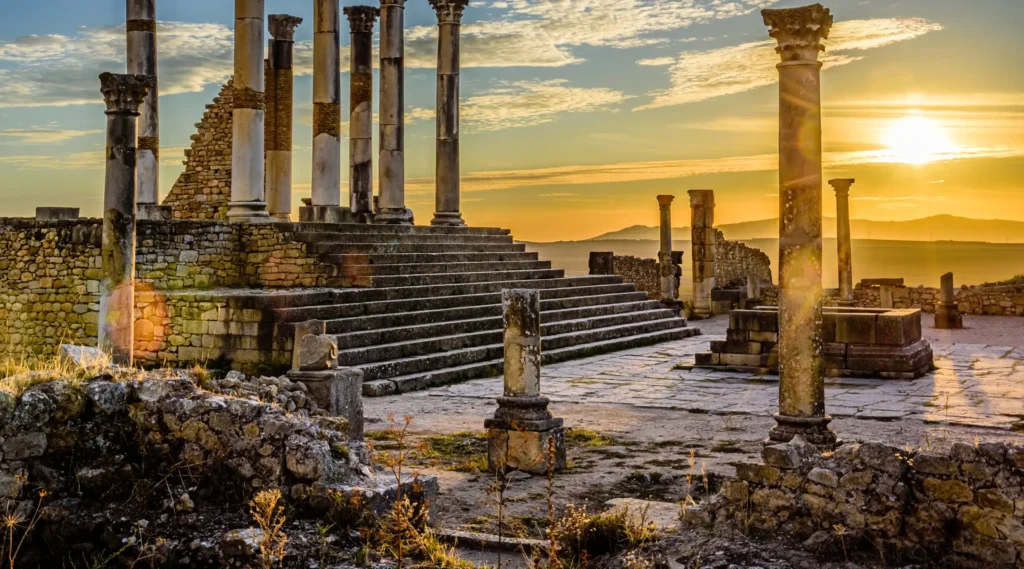
Volubilis illustrates Morocco’s ancient foundations, evolving from Berber settlements into a major Roman city in Mauretania Tingitana. After the Roman decline, the area remained important during early Islamic times, especially under the Idrisid dynasty.
While predating the Almoravids, Volubilis represents the historical layers that later dynasties, including the Almoravids, built upon to unify Morocco.
Rabat and Chellah
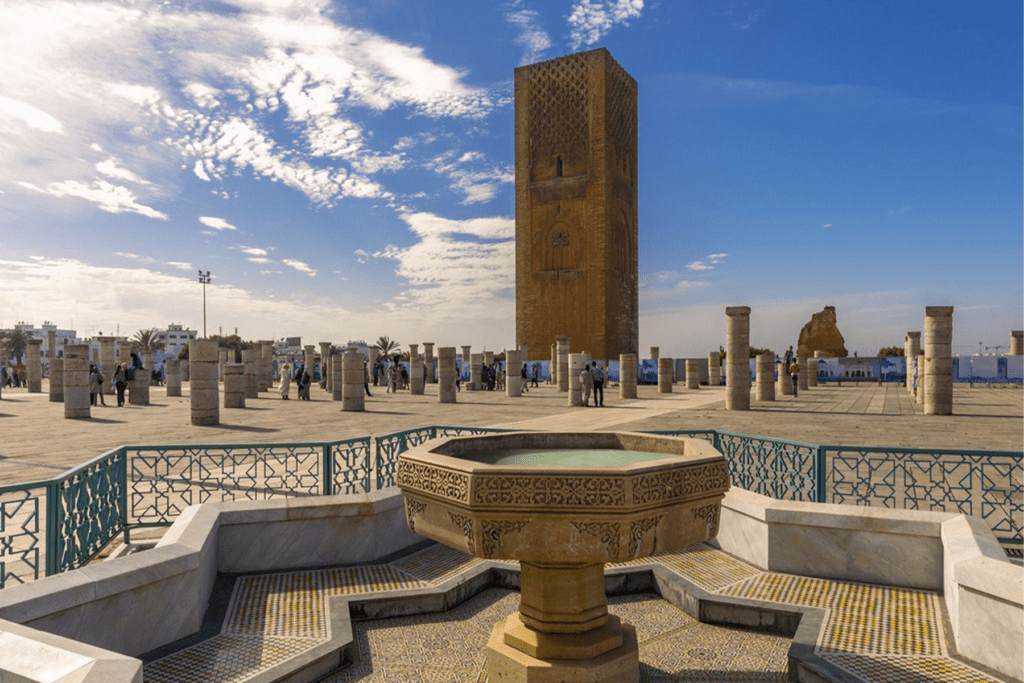
Rabat’s origins are linked to ancient settlements and the Roman site of Chellah. Chellah began as a Mauretanian and Roman city before becoming an Islamic necropolis.
The Almoravids established a ribat (fortified religious site) in the area, giving Rabat its name and early military role. Later dynasties expanded the city, which became Morocco’s capital during the colonial period and remains so after independence.
Taroudant

Taroudant developed from early Berber settlements into a fortified city of strategic importance in southern Morocco. During the Almoravid period, Taroudant served as a key administrative and military center linking Marrakesh to sub-Saharan trade routes.
Its massive walls and urban structure reflect early Islamic military planning. Under the Saadian dynasty, Taroudant reached its peak and remains known as “Little Marrakech.
how to Explore History of Morocco , https://historymoroccotours.com/