Morocco Jewish Heritage Tours: Mellahs, Synagogues and Berber Mountain Villages
Table of Contents
- Why Morocco’s Jewish Heritage Matters
- A Short History: Jews and Berbers in Morocco
- Jews and Berbers in the Atlas: Tifnout, Taliouine and Taroudant
- Tidili and the Marrakech to Ouarzazate Mountain Road
- Jewish Heritage in the Imperial Cities and the North
- Complete List of Jewish Heritage Places in Morocco
- Recommended Tours from Casablanca, Marrakech, Tangier and Fez
- Practical Tips for Respectful Travel
- FAQ’s
Morocco Jewish Heritage Tours: A Journey Through Mellahs, Mountains and Memory
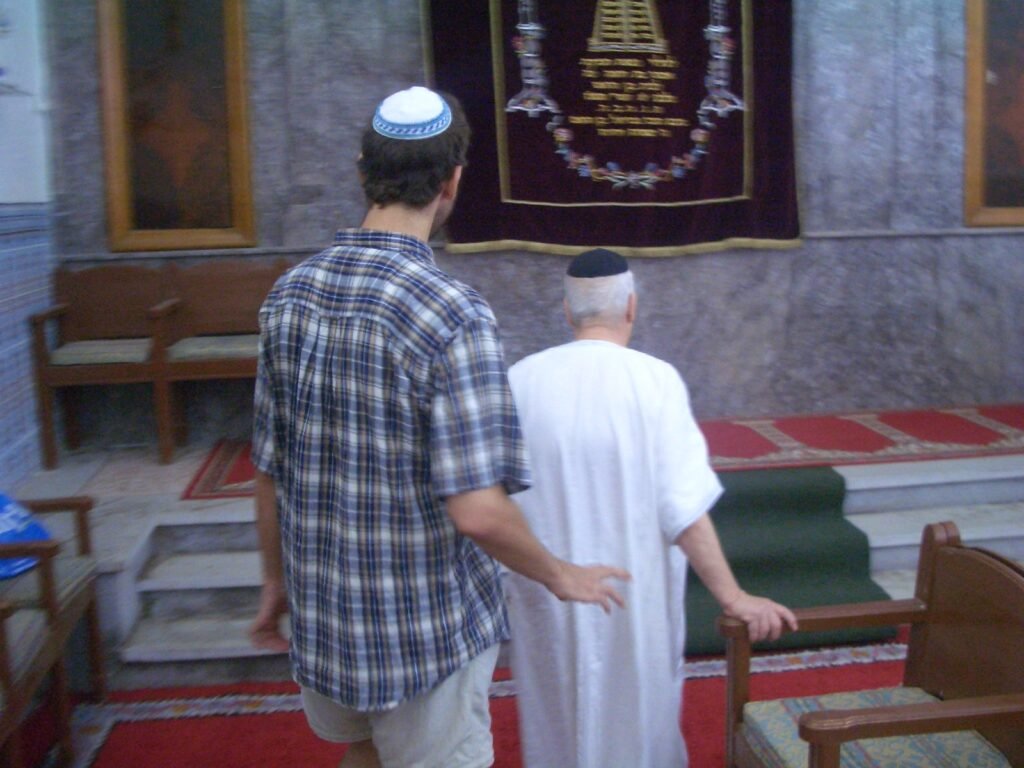
For more than two thousand years, Jews and Muslims have shared the same streets, markets and mountain valleys in Morocco. Today the Jewish community is small, but the heritage is alive: restored synagogues, historic cemeteries, saint shrines, silver workshops and museums. A Jewish heritage tour here is about people, craft and coexistence as much as monuments.
Why Morocco’s Jewish Heritage Matters
Morocco once had the largest Jewish community in the Arab world, peaking at roughly 250,000 people in the mid-20th century. Most emigrated between the late 1940s and the 1960s, and only about a thousand remain today. What they left behind is still part of the national story, and Morocco has invested in restoring it. The new Museum of Moroccan Jewish Culture in the Fez Mellah and Bayt Dakira in Essaouira are two recent examples.
What You Will See
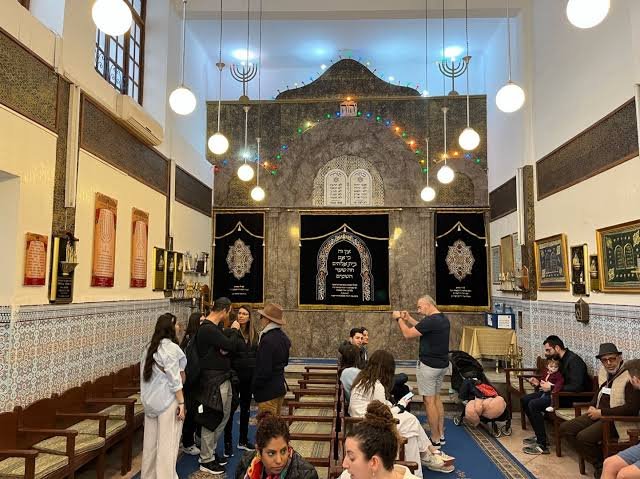
- Synagogues, many of them restored
- Old mellahs (Jewish quarters) in cities and mountain kasbahs
- Cemeteries and tombs of revered rabbis, visited by Jews and Muslims alike
- Traditional crafts: silver, gold, tinwork, weaving and embroidery
A Short History: Jews and Berbers in Morocco
Jewish presence in Morocco goes back to ancient times. The Atlas village of Ifrane (Anti-Atlas) is traditionally said to be the oldest Jewish community, with a legendary date of 361 BCE. Many more Jews arrived after the 15th century, fleeing Spain and Portugal.
What Is a Mellah?
The word mellah comes from the Arabic word for salt. The first separate Jewish quarter was created in Fez in the 15th century, and Marrakech followed in the 16th. In rural areas, however, Jews often lived in their own villages or in a quarter of the kasbah, alongside their Berber neighbors.
Berber Jews of the Atlas
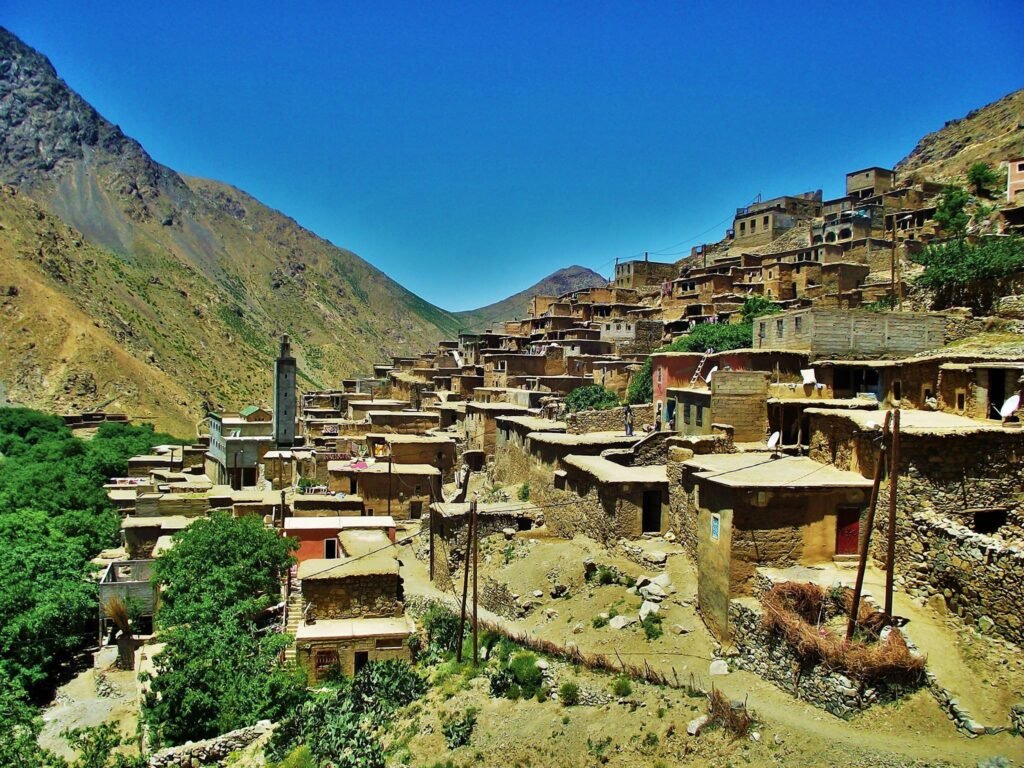
In the mountains, Jewish families traded, crafted jewelry and ironwork, and kept caravans moving between the Atlas and the Sahara. Some accounts say Jews carried arms and rode horses like their Berber neighbors, and shrines of rabbis became places of pilgrimage for both communities.
Jews and Berbers in the Atlas: Tifnout, Taliouine and Taroudant
The southern oases and kasbahs between the High Atlas and Anti-Atlas had Jewish communities in towns such as Taroudant, Taliouine, Taznakht, Ouarzazate, Kelaat M’Gouna, Boumalne Dades and Tinghir. The region around Tifnout sits in this same world of saffron fields, terraced valleys and fortified villages.
Everyday Life Together
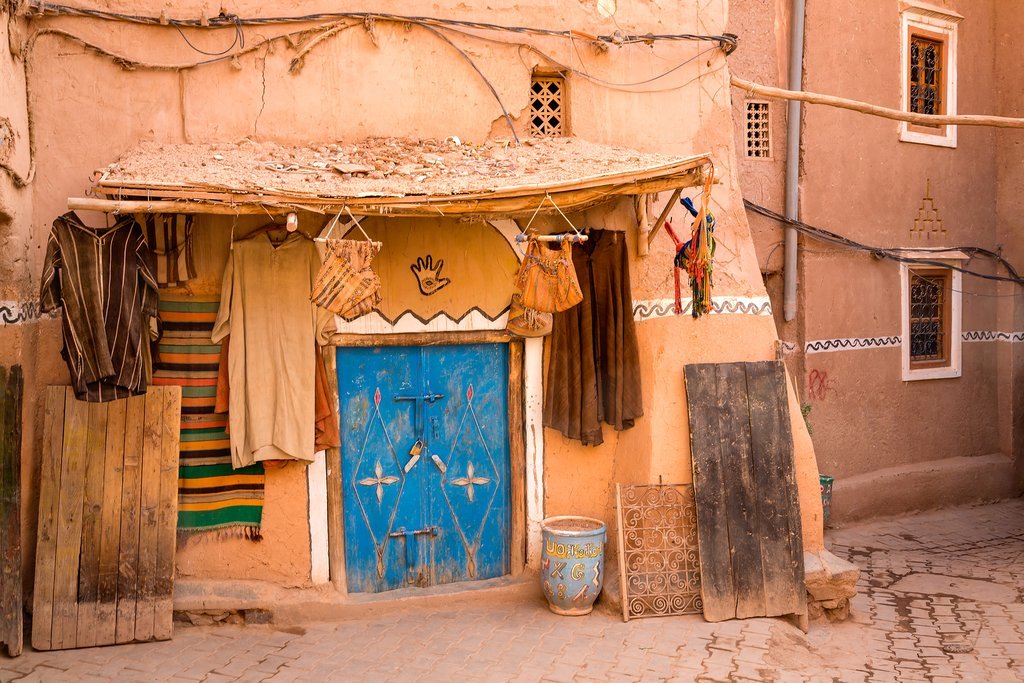
- Craft and trade: Jewish artisans worked silver, gold and ironwork, and traded salt, cloth and tea along caravan routes.
- Shared saints: Rabbi tombs were visited by Muslims asking for blessings, and Jews visited Muslim holy places.
- Shared language: Many Jews in the south spoke Tamazight with their neighbors.
What Remains Today
Look for the mellah quarter inside kasbahs, old cemeteries and walls with Hebrew marks. In Taznakht, a stop at a women’s carpet cooperative adds the craft side of the story.
Tidili and the Marrakech to Ouarzazate Mountain Road
Between Marrakech and Ouarzazate, the road climbs through the High Atlas via the Tizi n’Tichka pass, past Berber villages that once had Jewish families. Tidili is a mountain stop on this corridor, a quiet place to see how rural Atlas life worked with terraces, mud-brick houses and communal paths.
Nearby Heritage Stops on the Same Road
- Ighi: the tomb of Rabbi David Laskar, in the mountains off the Marrakech to Ouarzazate road, revered by Jews and Muslims.
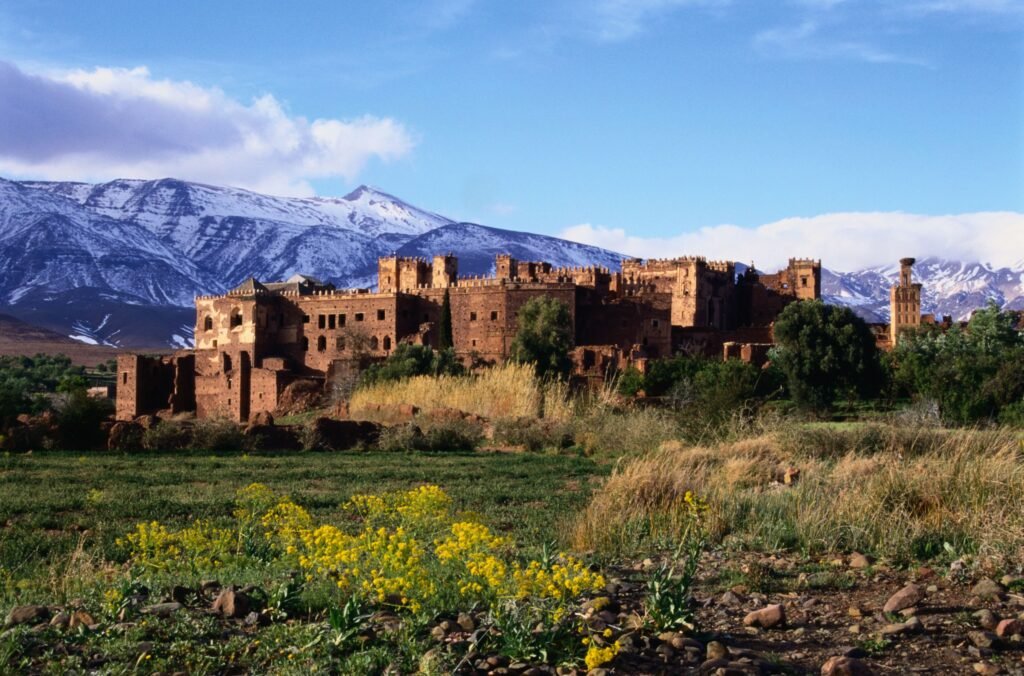
- Telouet and the Glaoui kasbah: the old caravan crossing before the modern pass road.
- Demnate: Jews lived here as early as the 1100s, and its mellah was built in 1887.
- Ait Benhaddou: the famous caravan kasbah on the route between the Sahara and Marrakech.
Jewish Heritage in the Imperial Cities and the North
Marrakech
The mellah near the royal palace once held 30,000 or more Jews. Visit the Slat Al Azama Synagogue, the Jewish cemetery, the spice and silver souks, and the restored gates and lanes.
Fez
Fez has the oldest mellah, Ibn Danan Synagogue, Jewish cemetery, the Museum of Moroccan Jewish Culture, and the memory of the philosopher Maimonides, who lived in the city.
Meknes and Rabat
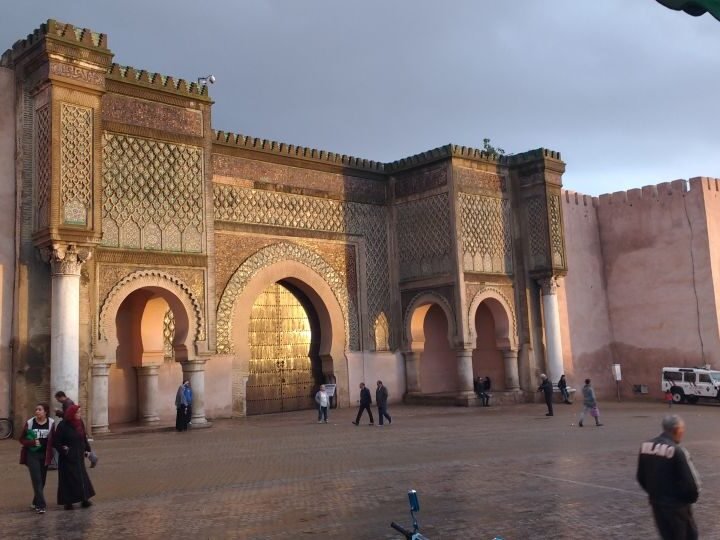
Both have historic mellahs, synagogues and cemeteries, set close to royal palaces and gates.
Essaouira
The Atlantic port had a large Jewish community. Bayt Dakira (House of Memory) is a museum, research center and restored synagogue.
Tangier and the North
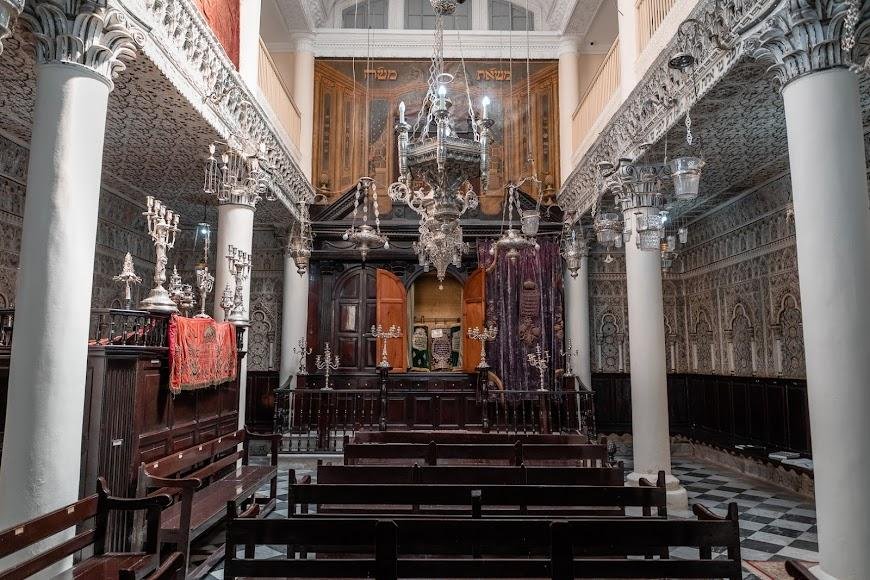
Tangier hides the small Nahon Synagogue and an old cemetery. Chefchaouen and Tetouan are often linked to Jewish refugees from Spain, visible in architecture and cuisine.
Casablanca
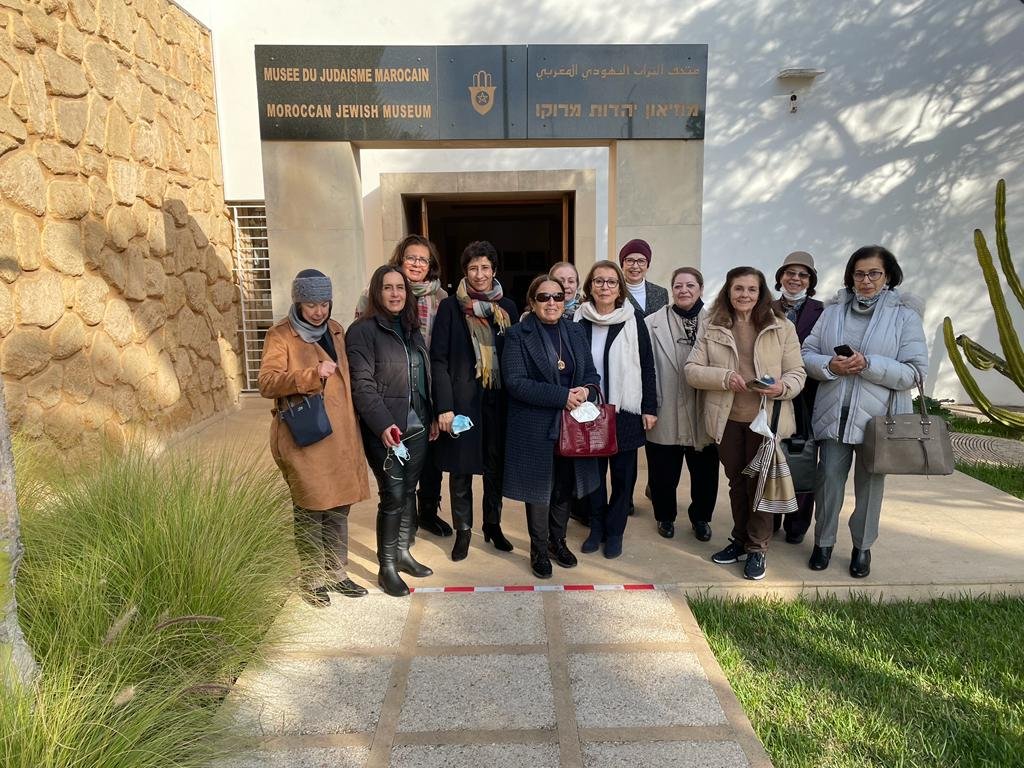
Home to the largest Jewish community today and the Museum of Moroccan Judaism, plus active synagogues and the old mellah.
Complete List of Jewish Heritage Places in Morocco
| Region | Places |
|---|---|
| Marrakech area | Marrakech Mellah, Slat Al Azama Synagogue, Lazama Synagogue, Miara cemetery, Ighi (David Laskar), Demnate, Ourika Valley, Tidili |
| South and Atlas | Ouarzazate (Telmasla kasbah), Ait Benhaddou, Taroudant, Taliouine, Tifnout area, Taznakht, Tinghir, Kelaat M’Gouna, Boumalne Dades, Draa Valley (Amzrou), Tamanart, Ifrane Atlas-Saghir, Tiznit, Midelt |
| Atlantic coast | Essaouira (Bayt Dakira, Slat Attia), Casablanca, Rabat, Salé |
| Imperial cities | Fez Mellah, Ibn Danan Synagogue, Fez Jewish Museum, Meknes, Sefrou |
| North | Tangier (Nahon Synagogue), Tetouan, Chefchaouen |
Recommended Tours from Casablanca, Marrakech, Tangier and Fez
- Morocco imperial City tours
- Morocco photography tour
- Morocco cultural and history tour
- Seniors Morocco Journey
- Morocco food and cooking tour
- Morocco small group tour
- Sahara luxury desert camp
- History Morocco Tours
From Casablanca: 8 to 10 Days
Casablanca (museum and synagogues), Rabat, Fez, Marrakech, Essaouira. A complete overview of Jewish Morocco.
From Marrakech: 4 to 6 Days
Marrakech mellah, Ighi, Tizi n’Tichka, Tidili, Ait Benhaddou, Ouarzazate, Telmasla, Taznakht, Taroudant and Tifnout. The best route for Berber and Jewish mountain life.
From Tangier: 5 to 7 Days
Tangier, Chefchaouen, Tetouan, Fez, Meknes, Volubilis. A northern route with Sephardic memory.
From Fez: 3 to 5 Days
Fez Mellah, Museum, cemetery, Sefrou, Meknes, Middle Atlas, then Marrakech or Casablanca.
| Starting city | Duration | Highlights |
|---|---|---|
| Casablanca | 8 to 10 days | Museum, Rabat, Fez, Marrakech, Essaouira |
| Marrakech | 4 to 6 days | Mellah, Ighi, Tidili, Ouarzazate, Taroudant, Tifnout |
| Tangier | 5 to 7 days | Nahon Synagogue, Chefchaouen, Fez, Meknes |
| Fez | 3 to 5 days | Mellah, Ibn Danan, Sefrou, Meknes |
Practical Tips for Respectful Travel
- Dress modestly at cemeteries and synagogues.
- Check opening times in advance, as some sites need a caretaker or advance arrangement.
- Ask before photographing people or tombs.
- Kosher meals and Shabbat plans can be arranged with notice.
FAQ
Can I visit synagogues in Morocco?
Yes. Several are restored and open to visitors, often with a guide.
Are Jewish heritage tours safe?
Morocco is generally welcoming to heritage travelers, and a private guide makes planning easier.
What is the best season?
Spring and autumn offer the best weather for both the mountains and the cities.
Plan Your Jewish Heritage Journey
History Morocco Tours designs private itineraries from Casablanca, Marrakech, Tangier and Fez, with expert guides, comfortable vehicles and mountain stops. Contact us for a tailored route.