history of morocco
Morocco Travel History Guide
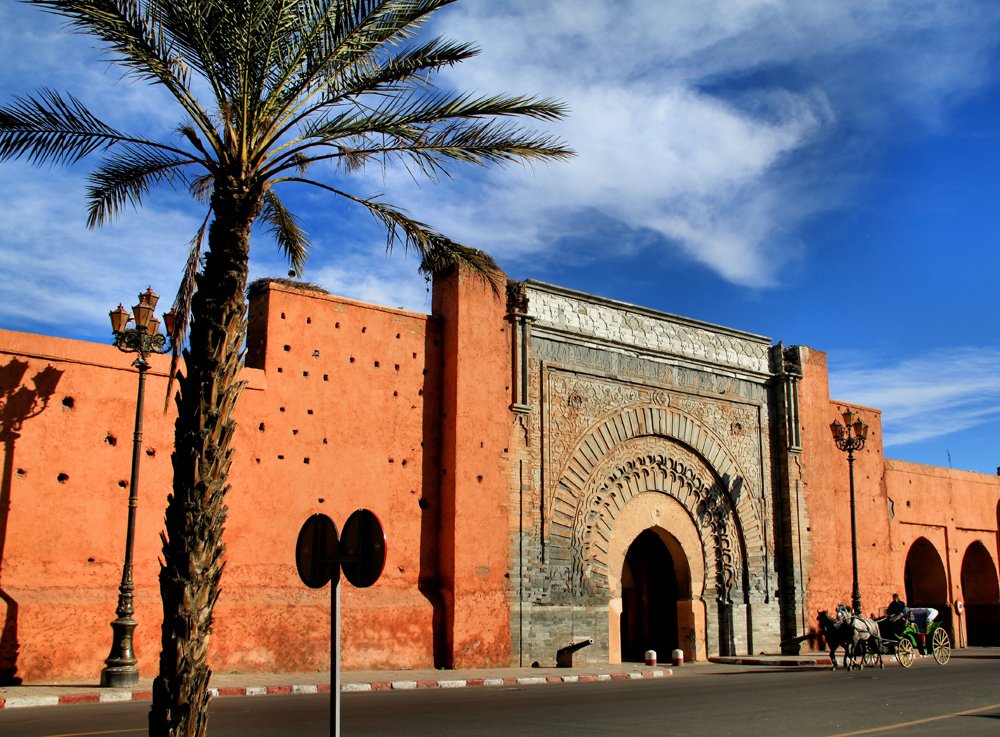
Morocco has a rich cultural heritage. It offers a mix of prehistoric and UNESCO heritage sites that will amaze you. From Marrakech’s busy streets to the Sahara Desert’s calm, traveling to Morocco is an adventure unlike any other.
Key Takeaways
- Discover Morocco’s rich cultural heritage and UNESCO heritage sites.
- Explore the country’s prehistoric significance and historical landmarks.
- Experience the best of Morocco with family-friendly and couple-oriented tours.
- Uncover the secrets of Morocco’s vibrant cities and serene landscapes.
- Plan your trip to Morocco with our guide, featuring the top things to do in 2026.
The History of Morocco: From Prehistoric Times to Modern Kingdom
Prehistoric Morocco: Cave Paintings and Archaeological Sites
The prehistoric era in Morocco is rich with discoveries. Cave paintings and early settlements give us a glimpse into the lives of the first Moroccans.
Taforalt and Jebel Irhoud: Earliest Human Settlements
Taforalt and Jebel Irhoud are key sites. They show us where the first humans lived in the area. These sites help us understand early human migration and settlement.
Phoenicians, Romans, and Early Influences
The Phoenicians and Romans left a big mark on Morocco. They brought their cultures, languages, and ways of life. These early influences helped shape Morocco’s future.
Islamic Golden Age and Dynastic Periods
The Islamic Golden Age was a time of great growth for Morocco. Dynasties like the Almoravid and Almohad helped in many areas. They influenced architecture, art, and learning.
Almoravid and Almohad Contributions
The Almoravid and Almohad dynasties were very important. Their work can still be seen in Morocco’s buildings and culture today.
| Period | Significant Events | Legacy |
|---|---|---|
| Prehistoric | Cave paintings, early human settlements | Archaeological sites like Taforalt and Jebel Irhoud |
| Phoenician and Roman | Cultural and linguistic influences | Introduction of new customs and architectural styles |
| Islamic Golden Age | Cultural, scientific, and economic growth | Historic monuments, art, and intellectual achievements |
Planning Your Historical Journey Through Morocco
Getting ready for your trip to Morocco? Knowing the best times to visit and how to plan is key. Morocco’s climate and history are diverse. With careful planning, your trip will be unforgettable. Custom Private Tour. Forget the Big Bus and Explore Morocco’s with us Best Authentic & Affordable Experience. Find Out More.
our sample tours below, get in touch with us, and we will customize it for you!
if you wish Contact us for more details. historymoroccotours@gmail.com
www.historymoroccotours.com
Best Seasons for Historical Exploration
Spring in Morocco: Ideal Conditions for Site Visits
Spring is lovely, with mild weather and beautiful landscapes. It’s perfect for exploring places like Volubilis and Fez’s medina.
Creating a History-Focused Itinerary
Plan your trip to see places like Marrakech, Rabat, and Meknes. A good plan might include:
- Visiting the Roman ruins of Volubilis
- Exploring the ancient medinas of Fez and Marrakech
- Discovering the historical significance of the city of Meknes
Practical Travel Information for American Visitors
Traveling from America to Morocco is easy. Here’s what you need to know:
| Travel Information | Details |
|---|---|
| Visa Requirements | U.S. citizens don’t need a visa for 90 days or less |
| Transportation | 4×4, minibus, and Minivan connect major cities |
| Language Private Tours | Many Moroccans speak French and some English, especially in tourist areas |
Transportation Between Historical Destinations
Morocco’s transport network is well-developed. Trains are great for long trips, and taxis for short ones. Guided tours also offer transportation for a smooth journey.
Plan your trip for the best seasons and know your transport options. This way, your journey through Morocco will be rich and fulfilling. Families can enjoy guided tours with activities for all ages, making Morocco a great spot for a historical vacation.
UNESCO World Heritage Sites: Morocco’s Historical Treasures
Morocco’s UNESCO World Heritage Sites show off the country’s rich culture. These sites include ancient ruins, old medinas, and historic cities. They are all recognized for their cultural importance.
Volubilis Morocco: Walking Through Roman History
Volubilis is a key archaeological site in Morocco. It gives us a look at the Roman era in the country. You can see mosaics, temples, and arches that are still standing.
How to Explore the Archaeological Complex
For the best experience at Volubilis, get a local guide. They know the site’s history and importance. Wear comfy shoes and don’t forget sun protection.
Ait Ben Haddou: Exploring the Ancient Ksar
Ait Ben Haddou is a well-kept ancient village. It’s been used in many films and TV shows, like “Gladiator” and “Game of Thrones.”
Photography Tips and Best Viewing Points
For great photos, go to Ait Ben Haddou at sunrise or sunset. The light is beautiful then. Look for interesting views, like the stonework and the landscape.
Medina of Fez: Navigating the Medieval Labyrinth
The Medina of Fez is a medieval city in the Arab world. It’s old and well-kept. You can walk its narrow streets, see landmarks, and experience local culture.
| Site | Location | Best Time to Visit |
|---|---|---|
| Volubilis | Meknes | Morning |
| Ait Ben Haddou | Ouarzazate | Sunrise or Sunset |
| Medina of Fez | Fez | Early Morning or Late Afternoon |
Imperial Cities: Gateways to Royal Moroccan History
Exploring Morocco’s history, you’ll find its imperial cities are key. These cities have been at the heart of Moroccan culture and politics for ages. They are filled with historical landmarks and cultural experiences.
Marrakech Medina: Historical Landmarks and Hidden Gems
The Marrakech Medina is alive with history. Its souks buzz with activity, and its architecture is stunning. Walking its narrow streets, you’ll find many historical landmarks.
History of Fez: Intellectual and Cultural Heritage
Fez is known for its rich intellectual and cultural heritage. Its ancient medina is a UNESCO World Heritage Site. It’s a city steeped in history.
Meknes Morocco: The Legacy of Sultan Moulay Ismail
Meknes was founded by Sultan Moulay Ismail in the 17th century. It’s famous for its impressive historical structures, like massive city walls and granaries.
History of Casablanca: From Small Port to Metropolis
Casablanca has grown from a small port to a bustling metropolis. Its architecture shows its transformation from past to present.
Hassan II Mosque: Modern Historical Marvel
The Hassan II Mosque in Casablanca is a modern marvel. It blends traditional and contemporary styles, standing out as a historical landmark.
| City | Historical Significance | Must-See Sites |
|---|---|---|
| Marrakech | Vibrant historical center | Koutoubia Mosque, Bahia Palace |
| Fez | Intellectual and cultural heritage | Ancient Medina |
| Meknes | Legacy of Sultan Moulay Ismail | City Walls, Granaries |
| Casablanca | From small port to metropolis | Hassan II Mosque |
Visiting these imperial cities, you’ll learn a lot about Morocco’s history and culture. Each city offers a unique view of the country’s past. They are essential for anyone interested in history.
Family-Friendly Historical Tours in Morocco
Families visiting Morocco can find many historical tours for all ages. The country’s rich history is fun for both kids and adults.
Interactive Museum Experiences for Children
Morocco’s museums have interactive experiences that are fun and educational for kids. Hands-on activities and guided tours help them learn about the artifacts.
Museum of Moroccan Judaism: Family Learning Experience
The Museum of Moroccan Judaism in Casablanca is a special place for families. It teaches about Moroccan Jews, showing the country’s diverse heritage.
Historical Treasure Hunts in Ancient Medinas
Exploring ancient medinas is exciting for families. Historical treasure hunts make learning about history and architecture fun.
Kid-Friendly Guided Tours with the Best English Guides
Morocco has kid-friendly guided tours with guides who speak English well. These tours are made for families, keeping kids interested.
Hands-On History Activities for Young Travelers
Hands-on history activities are key in many tours. They let young travelers touch Morocco’s history, from crafts to reenactments.
The Best10 Morocco Historical Tours for Couples
Romantic Sunset Tours of Ancient Kasbahs
- Explore the Kasbahs of Ouarzazate, a testament to Morocco’s rich history.
- Enjoy a romantic camel ride through the desert, under the starlit sky.
History of Ouarzazate: Film Studios and Desert Fortresses
Private Tours with 21 Years of Morocco Experience
Morocco Boutique Tours: Luxury Historical Experiences
For a luxurious historical experience, Morocco boutique tours offer exclusive access to historical sites and riads. They provide a high-end travel experience.
Historical Riads: Staying in Traditional Moroccan Homes
Staying in historical riads lets you live like royalty. You’ll experience traditional Moroccan architecture and hospitality.
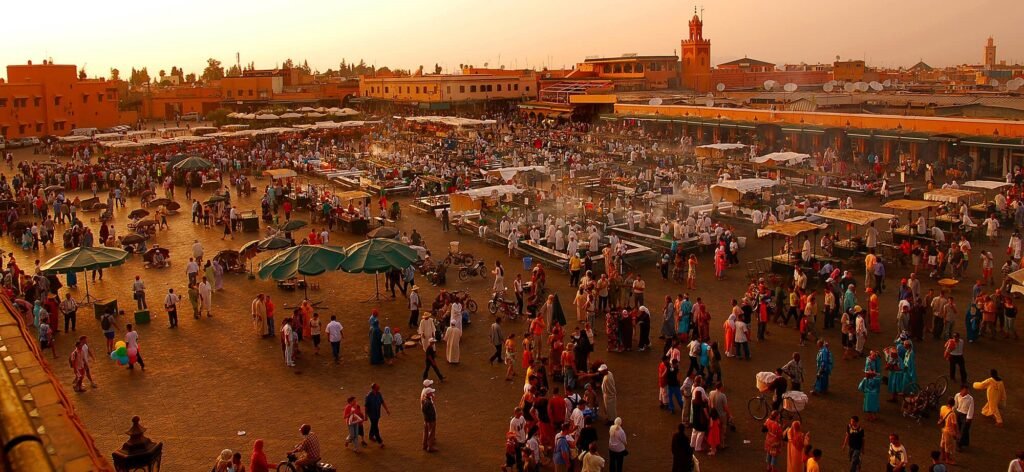
These historical tours are tailored for couples, ensuring a romantic and memorable experience in Morocco. Whether it’s exploring ancient Kasbahs or staying in historical riads, Morocco has something special for every couple.
Jewish Heritage and Cultural History in Morocco
Jewish Quarters (Mellahs) Across Moroccan Cities
The Mellahs, or Jewish quarters, in cities like Fez, Marrakech, and Meknes show the history of Jewish communities. These areas have narrow streets and historic synagogues.
- The Mellah in Fez is one of the oldest and most well-preserved.
- Marrakech’s Mellah is home to the historic Salomon Ibn Zadok Synagogue.
Preservation Efforts and Restoration Projects
There are efforts to keep these historic areas alive. This includes fixing synagogues and updating traditional Jewish homes.
Moroccan Jews: A Story of Coexistence
Moroccan Jews and Muslims have lived together for centuries. They have greatly helped the country’s culture and economy. This living together is a big part of Morocco’s rich heritage.
Key aspects of this coexistence include:
- Shared cultural practices and traditions.
- Mutual respect and tolerance.
Culture Tours Focused on Religious Diversity
Culture tours in Morocco show the country’s religious diversity. These tours visit historic synagogues and Jewish quarters.
Twin Towns and Sister Cities: Jewish-Moroccan Connections
Some Moroccan cities have twin town and sister city ties with cities with big Jewish populations. This helps with cultural exchange and cooperation.
Every moment in Morocco is filled with history, warmth, and charm. It’s a special place for exploring culture.
Historical Culinary Journey Through Morocco
Start a journey through Morocco’s food history. Here, old traditions and new tastes come together. You’ll see how different cultures shaped Moroccan food.
Ancient Cooking Techniques Preserved Through Generations
Moroccan cooking uses ancient techniques passed down for ages. The tagine, a clay pot with a special lid, is a key example.
Tagine: The Historical Clay Cooking Vessel
The tagine is more than a pot. It’s a sign of Moroccan cooking tradition. Its design cooks food slowly, mixing flavors and making meat tender.
Historical Food Markets and Traditional Souks
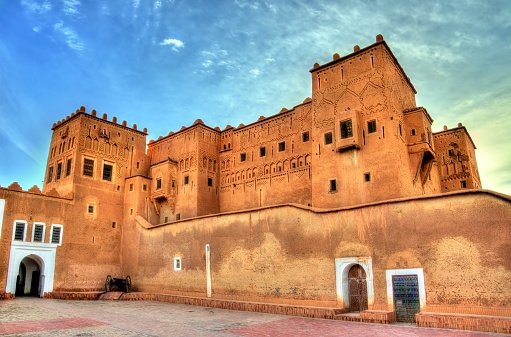
Don’t miss the historical food markets and souks. These lively places show off local goods and give a peek into Moroccan life.
Royal Dishes and Their Origins in Moroccan History
Moroccan food is famous for its royal dishes. These dishes come from the country’s rich past. They show the cultural and food influences of history.
Cooking Classes That Teach Historical Recipes
For a real taste of Morocco, try a cooking class on historical recipes. These classes let you learn hands-on about Moroccan cooking traditions and take home new skills.
Connecting with Local History: Authentic Cultural Experiences
To truly understand Morocco, you must experience its authentic cultural practices. These are steeped in history and tradition. As you journey through this fascinating country, you’ll find that every moment is filled with history, warmth, and authentic Moroccan charm.
Tea Ceremonies with Berber Families in the Atlas Mountains
One of the most enriching experiences is participating in a traditional tea ceremony with Berber families in the Atlas Mountains. This ancient ritual is more than just a social gathering. It’s a window into the Berber culture and their oral history traditions.
Learning About Oral History Traditions
During these tea ceremonies, you’ll learn about the oral history traditions that have been passed down through generations. The Berbers are known for their rich storytelling. You’ll hear tales of historical events, myths, and legends that have shaped their identity.
Traditional Craft Workshops Using Historical Techniques
Morocco is renowned for its traditional crafts, including woodworking, pottery, and weaving. By participating in craft workshops, you’ll not only learn historical techniques. You’ll also contribute to the preservation of these ancient crafts.
Some of the crafts you can learn include:
- Traditional Berber weaving
- Intricate wood carvings
- Hand-painted pottery
Economy of Morocco: From Historical Trade Routes to Modern Markets
Morocco’s economy has been shaped by its strategic location, connecting Europe and Africa. Historically, the country was a crucial hub for trade routes, including the famous Trans-Saharan trade.
| Historical Trade Route | Modern Market Impact |
|---|---|
| Trans-Saharan Trade | Gold and salt trade influenced modern commerce |
| Maritime Trade with Europe | Established modern trade agreements |
Best Vacation Morocco: Combining History with Relaxation
Top Relaxation Spots:
Conclusion: Embracing Morocco’s Living History
Exploring Morocco’s history reveals a land where old traditions meet modern culture. The streets of Marrakech buzz with life, while the Atlas Mountains offer peace. Morocco’s history is a treasure waiting to be found.
Traveling with family or on a romantic trip, Morocco has something for everyone. Walk through historic medinas, see ancient ruins like Volubilis, or enjoy the souks’ lively vibe.
When planning your Morocco trip, aim for spring or autumn. These seasons offer the best weather for exploring. You’ll find plenty to do, from learning about Jewish heritage to tasting the local, history-rich cuisine.
Morocco’s independent spirit and rich culture make it a memorable place. Start planning your trip today. Experience Morocco’s history, culture, and beauty for yourself.
FAQ
What are the best historical tours in Morocco?
What is the history of Morocco?
What are the best seasons to visit Morocco’s historical sites?
Can I visit Morocco’s historical sites with my family?
What are some must-see historical sites in Morocco?
Don’t miss the Medina of Fez and Marrakech Medina. Also, visit Volubilis, Ait Ben Haddou, and the Hassan II Mosque in Casablanca.Explore ancient kasbahs, palaces, and souks. This will give you a taste of Morocco’s rich culture.
Are there any historical tours specifically designed for couples?
Yes, there are tours for couples in Morocco. Enjoy romantic sunset tours of ancient kasbahs. Take private tours with experienced guides.Experience luxury in traditional riads.
