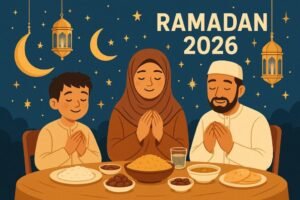
Morocco During Ramadan and Traditions, Food, and Daily Life This Year 2026
Ramadan in Morocco is more than a religious observance it is a deeply cultural and social experience. During this holy month, the country slows down, families reconnect, and cities come alive with spiritual energy, traditional rituals, and unforgettable flavors.
Experiencing Ramadan in Morocco this year offers a unique glimpse into Moroccan life at its most authentic.
The Spirit of Ramadan in Morocco
As Ramadan begins, a noticeable calm settles over Morocco during the day, followed by lively evenings after sunset. Mosques fill with worshippers, streets are quieter in the afternoon, and the call to prayer at sunset (Maghrib) marks a powerful daily moment shared by everyone.
Key features of Ramadan in Morocco include:
- Strong sense of community and family gatherings
- Increased charity and generosity
- Night prayers and spiritual reflection
- Traditional customs passed down through generations
Daily Rhythm During Ramadan
Life in Morocco follows a special rhythm during Ramadan:
Morning & Daytime
- Most people wake early for Suhoor (pre-dawn meal)
- Work hours are often reduced
- Streets are calm, especially in the afternoon
- Cafés and restaurants are generally closed during daylight hours
Late Afternoon
- Markets and bakeries become busy
- Fresh bread, sweets, dates, and ingredients for iftar are prepared
- The atmosphere becomes expectant and lively
Evening & Night
- Families gather for Iftar (breaking the fast)
- Streets come alive after sunset
- Mosques host Taraweeh prayers
- Social visits continue late into the night
Traditional Moroccan Ramadan Food
Food plays a central role in Ramadan in Morocco, with recipes that are closely tied to family traditions.
Moroccan Iftar (Breaking the Fast)
Iftar usually begins with:
- Dates and milk – following the Prophet’s tradition
- Harira – a rich tomato-based soup with lentils, chickpeas, and herbs (the heart of Moroccan Ramadan)
- Chebakia – sesame cookies coated in honey
- Sellou (Sfouf) – a nutritious mix of roasted flour, almonds, sesame seeds, and honey
- Boiled eggs
- Fresh juices such as orange or avocado smoothies
These dishes are found on almost every Moroccan table during Ramadan.
Moroccan Ramadan Dinner
After Iftar and prayers, families may enjoy a more filling dinner, which can include:
- Tagines (chicken, beef, or lamb with vegetables or prunes)
- Couscous (sometimes prepared specially during Ramadan)
- Grilled meats
- Fresh Moroccan bread (Khobz)
Dinner is often eaten slowly and socially, sometimes after Taraweeh prayers.
Suhoor: The Pre-Dawn Meal
Suhoor is lighter but nourishing, helping people get through the fasting day. Common foods include:
- Milk or yogurt
- Dates
- Bread with honey or olive oil
- Eggs
- Tea or water
Families wake up early to eat together before the Fajr prayer.
Prayer Times During Ramadan
Prayer is central to Ramadan in Morocco. The most important prayers during this month include:
- Fajr – before dawn (marks the start of fasting)
- Maghrib – at sunset (time to break the fast)
- Isha & Taraweeh – night prayers held in mosques across the country
Mosques are beautifully illuminated and filled with worshippers, creating a peaceful and spiritual atmosphere.
Experiencing Ramadan as a Visitor
For travelers, Ramadan in Morocco this year offers a rare cultural experience:
- Witness authentic Moroccan traditions
- Enjoy special Ramadan dishes
- Experience evenings full of life and warmth
- Learn about Moroccan hospitality and spirituality
Visitors are welcomed warmly, and respectful behavior—such as avoiding eating in public during the day—is appreciated.
Final Thoughts
Ramadan in Morocco is a time of faith, family, generosity, and incredible food. Whether you are Moroccan or visiting from abroad, experiencing this holy month provides a deeper understanding of the country’s soul.
From the comforting taste of harira to the peaceful nights filled with prayer, Ramadan in Morocco leaves lasting memories.
for more information, https://historymoroccotours.com/